
 Aboriginal Deaths in Custody
The Grim Milestone
Policy Failure, Punitiveness, and the Record Toll of First Nations Deaths in Custody under the Minns Labor Government
1. Introduction: A Shocking Milestone and the Crisis of Inaction
In 2025, New South Wales reached a harrowing and unprecedented milestone in its administrative and penal history: recording the highest number of Aboriginal and Torres Strait Islander deaths in custody ever documented in a single calendar year. Official statistics published in the NSW State Coroner’s 2025 Annual Report reveal that 12 First Nations people died while held in Corrective Services NSW custody, alongside an additional 5 First Nations deaths occurring as a result of police operations. Together, these 17 fatalities represent 26% of all deaths reported under Section 23 of the Coroners Act 2009 (NSW), despite First Nations peoples comprising just 3.4% of the state’s total population.
This record toll represents a catastrophic failure of public policy under the Minns Labor government. More than three decades after the Royal Commission into Aboriginal Deaths in Custody (RCIADIC) handed down its 339 recommendations in 1991, the carceral trajectory in New South Wales has not reversed; it has accelerated. In an extraordinary public letter released in October 2025, State Coroner Judge Teresa O’Sullivan described the recording of 12 Indigenous deaths in prison custody as a "profoundly distressing milestone," emphasizing that each death represents a person whose life mattered, whose loss is felt deeply across communities, and whose passing demands independent scrutiny, respect, and systemic accountability.
Rather than enacting evidence-based diversion and implementing the structural reforms called for by coroners, parliamentary inquiries, and First Nations legal services, the Minns government has presided over a period marked by legislative punitiveness, swelling remand populations, and operational inertia within correctional facilities. The divergence between political rhetoric regarding "closing the gap" and the physical realities of the state's custodial institutions highlights an urgent crisis in governance.

2. The Statistical Reality: Hyper-Incarceration and the Remand Surge
The rising death toll in New South Wales correctional facilities is the direct, predictable outcome of hyper-incarceration. Data published by the NSW Bureau of Crime Statistics and Research (BOCSAR) establishes that as of mid-2025, the adult First Nations prison population in New South Wales reached an all-time high of 4,386 individuals, accounting for 33.4% of the state’s total adult inmate population.
A longitudinal examination of custodial trends reveals a stark divergence between Indigenous and non-Indigenous incarceration rates over recent years. Between 2020 and 2025, the number of First Nations people held in NSW prisons increased by 18.9%, whereas the non-Indigenous inmate population declined by 12.5% over the exact same five-year period. This racial disparity is most acute within the unsentenced prison population. Driven by tightened bail legislation and stringent police monitoring practices, the number of First Nations adults held on remand surged by 63% over five years. By late 2025, nearly half (45.6%) of all First Nations prisoners in New South Wales were unsentenced detainees awaiting court trial or sentencing outcomes.
| Custodial & Demographic Metric | Historical Baseline / Non-Indigenous Comparison | Current NSW First Nations Figures (2025/2026) | Systemic Impact & Trend |
|---|---|---|---|
| Share of NSW Adult Population | General Community Proportion: 3.4% | First Nations Population: 3.4% | Baseline demographic proportion |
| Share of Adult Inmate Population | Non-Indigenous Inmates: 66.6% | First Nations Inmates: 33.4% (4,386 adults) | Severe, entrenched over-representation |
| 5-Year Prison Population Trend (2020–2025) | Non-Indigenous Trend: -12.5% decrease | First Nations Trend: +18.9% increase | Accelerating carceral disparity |
| 5-Year Remand Population Surge | Overall Remand Growth: Moderate | First Nations Remand Growth: +63.0% increase | Driven by punitive bail restrictions |
| Proportion of Inmates Unsentenced (Remand) | Historical Average: ~30% | First Nations Remand Share: 45.6% | High vulnerability in pre-trial detention |
| 2025 Custodial Death Toll (Corrective Services) | 2024 Baseline: 8 Indigenous deaths | 2025 Record: 12 Indigenous deaths | Highest single-year total ever recorded |
As Chief Executive Officer of the Aboriginal Legal Service (NSW/ACT) Karly Warner observed following the release of the 2025 coronial figures, a prison sentence should never become a death sentence. Warner noted that the state is actively driving more Aboriginal women, men, and children into police cells and prisons through punitive laws, ignoring proven community-led solutions that continue to gather dust on government shelves.
3. Legislative Contradictions: Punitive Lawmaking versus RCIADIC Principles
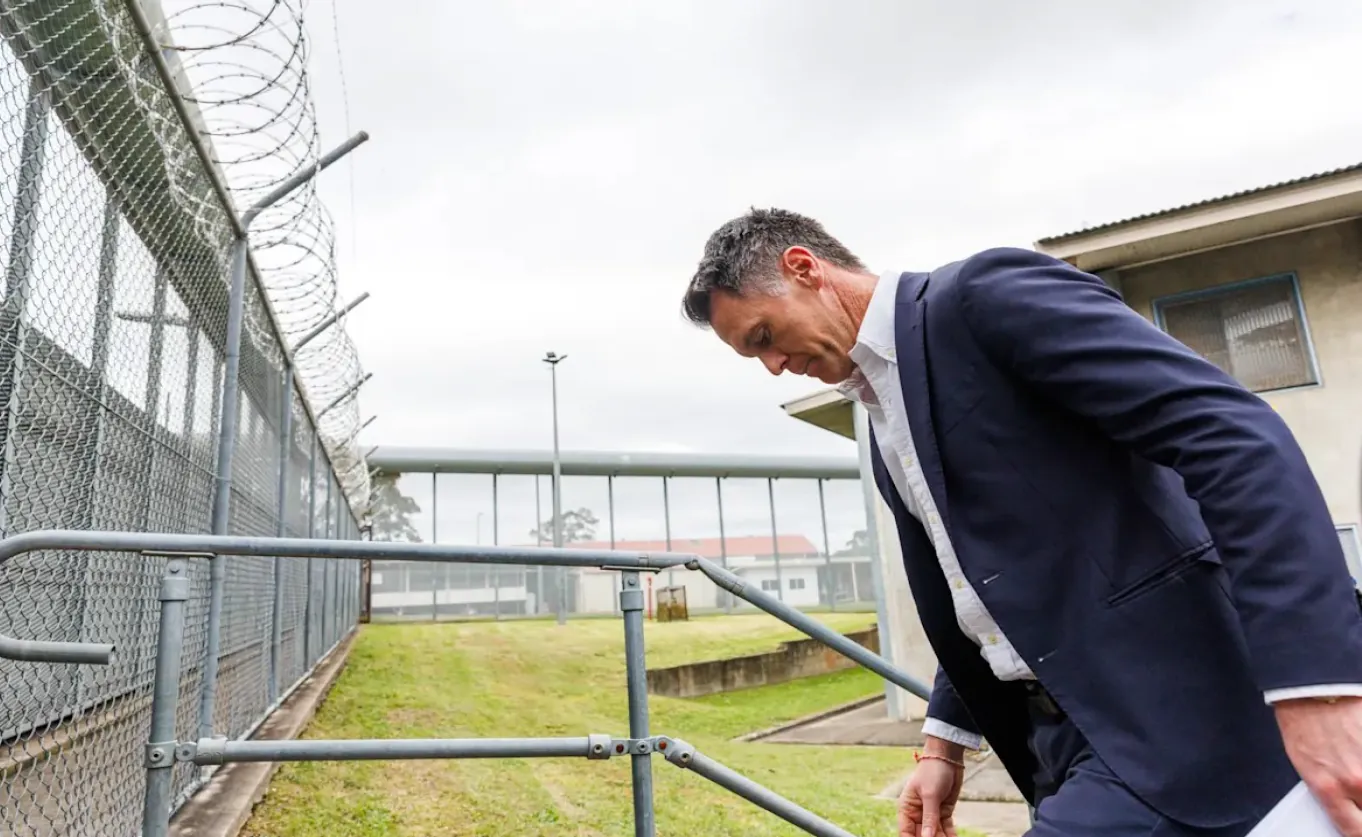
The primary structural driver of the current crisis is the direct conflict between the Minns Labor government's legislative agenda and the foundational tenets of the 1991 Royal Commission. A cornerstone of the Royal Commission's findings was that the most effective way to eliminate deaths in custody is to drastically reduce the number of First Nations people entering custody in the first place. This principle was articulated across three crucial recommendations:
Recommendation 87: Mandating that all police services adopt and strictly apply the principle that arrest must be a sanction of last resort.
Recommendation 89: Requiring governments to monitor bail legislation continuously to ensure that the statutory entitlement to bail is recognized in practice and that non-custodial options are prioritized.
Recommendation 92: Enacting explicit statutory provisions establishing that imprisonment must be utilized only as a sanction of absolute last resort.
Despite these29-year-old principles, recent legislative adjustments in New South Wales under the Minns administration have operated in direct opposition to them. Revisions to the Bail Act 2013 (NSW) have expanded statutory presumptions against bail, elevated thresholds for release, and created onerous compliance regimes for young offenders and repeat accused. As demonstrated by BOCSAR evaluation studies, these legislative interventions have artificially inflated the remand population by over 1,000 individuals across the state, disproportionately trapping First Nations defendants who face systemic socio-economic disadvantage, housing instability, and limited access to culturally tailored bail support services.
Furthermore, academic reviews—such as the 2021 Centre for Aboriginal Economic Policy Research (CAEPR) study authored by Professor Tamara Anthony and colleagues—have exposed the fallacy of official claims regarding RCIADIC implementation. While past government-commissioned reviews, such as the 2018 Deloitte Access Economics report, claimed that 78% of Royal Commission recommendations had been fully or mostly implemented, those assessments relied heavily on desktop self-evaluations that counted administrative outputs rather than substantive justice outcomes. In critical areas governing non-custodial diversion, bail reform, and self-determination, key recommendations have not only been left unfulfilled but actively contravened by state crime control policies.
"Current approaches to policymaking, funding, and reporting too often ignore the principles of self-determination and the realities of laws as experienced by First Nations peoples. Unless these approaches are disrupted, outcomes will continue to deteriorate and the policymaking process itself will repeat the marginalisation and incarceration of First Nations people." — CAEPR Working Paper No. 140 (2021)
4. Custodial Care Failures: Operational Neglect, Medical Gaps, and Persistent Cell Hazards
Beyond the legislative machinery that funnels individuals into prisons, the 2025 NSW State Coroner's Report reveals widespread, recurring operational deficiencies within Corrective Services NSW facilities that directly compromise inmate survival. Of the 12 First Nations deaths reported in prison custody in 2025, 50% (6 deaths) occurred as a result of external causes including intentional self-harm or accidental overdose, while 50% (6 deaths) were attributed to natural causes or remained unascertained. Notably, a cluster of unascertained deaths in the first half of 2025 prompted Chief Health Officer Dr. Kerry Chant to seek coronial approval for specialized toxicology screening across correctional facilities.
Inquests finalized by Senior Coroners throughout 2025 highlighted systemic breakdowns in basic custodial care protocols, healthcare delivery, and physical cell safety across multiple facilities:
Operational Observation and Welfare Check Failures
A central theme emerging across finalized 2025 inquests—including inquiries into the in-custody deaths of Emmett Brown, SF, and Lathan Brown—was the failure of custodial staff to execute proper physical observations and welfare checks. Coroners repeatedly identified instances where required "head-checks" were performed superficially or omitted entirely, particularly during overnight shifts. In the Inquest into the Death of Emmett Brown, the Senior Coroner recommended urgent revisions to Custodial Operation Policy and Procedure 5.3 (Musters, Let-go and Lock-in) to require unambiguous verbal and physical confirmations of an inmate's wellbeing. In the Inquest into the Death of Lathan Brown, the Coroner directed Corrective Services NSW to reform emergency responses to cell "knock-up" calls after critical delays contributed to preventable loss of life.
The Unaddressed Hazard of Cell Hanging Points
Perhaps the most egregious operational failure of successive NSW administrations is the continued presence of obvious ligature and hanging points within prison cells. Recommendation 150 of the 1991 Royal Commission explicitly directed custodial authorities to examine all cells and eliminate structural hanging points to prevent self-harm. Thirty-four years after that directive, hanging points remain widespread across the state's prison estate.
While the NSW Government announced a $16 million investment in cell safety modifications following public pressure in late 2025, coronial findings confirm that vulnerable, mentally unwell First Nations inmates continue to be housed in cells containing known structural hazards. As highlighted in the 2021 NSW Parliamentary Select Committee Inquiry into First Nations Deaths in Custody, the failure to establish a binding, publicly reportable timetable for the complete removal of hanging points represents a multi-decade breach of duty of care.
Healthcare Delivery and Emergency Communication
Inquests handed down in 2025 also exposed critical gaps in the coordination between Corrective Services NSW and the Justice Health and Forensic Mental Health Network. In the Inquest into the Death of Daniel Munro Lewis Turnbull, the Coroner examined a fatal case of hyponatraemia caused by psychogenic polydipsia in a 24-hour surveillance cell, recommending that excessive water intake be formally recognized as a life-threatening medical emergency requiring mandatory, proactive intervention. Furthermore, coroners condemned the recurring failure of correctional authorities to provide timely, compassionate communication to families during medical emergencies, often depriving loved ones of the opportunity to see dying inmates prior to their passing.
5. The Oversight and Accountability Deficit: Unenforceable Findings and Structural Paralysis
A major factor perpetuating systemic failure in New South Wales is the absence of an enforceable, independent oversight mechanism capable of compelling state agencies to act on coronial findings. Under the current framework governing the Coroners Act 2009 (NSW), recommendations issued by Senior Coroners following mandatory Section 23 inquests remain purely advisory.
Although the NSW Premier’s Memorandum M2009-12 establishes an administrative requirement for government departments to respond to coronial recommendations within six months, compliance has been historically inconsistent. Evidence presented to the Legislative Council's Select Committee demonstrated that government agencies frequently issue generic responses, delay implementation indefinitely, or decline recommendations without formal parliamentary review.
Current Fragmented Oversight Pipeline
The existing process for reviewing custodial deaths suffers from significant structural disconnects:
1. In-Custody Fatality Occurs: Initial notification sent to state police and custodial executives.
2. Internal Agency Inquiry: Corrective Services NSW and police conduct separate internal investigations, which First Nations families repeatedly critique for lacking external independence.
3. Coronial Inquest: Senior Coroner conducts a mandatory Section 23 public inquest, issuing detailed findings and prevention recommendations.
4. Advisory Recommendations: Recommendations delivered to government Ministers and agencies without statutory legal force.
5. Discretionary Agency Response: Departments respond administratively under Premier's Memorandum, with no legislative requirement for parliamentary tabling or independent progress auditing. To remedy this structural flaw, Recommendation 32 of the 2021 Parliamentary Select Committee Report called on the NSW Government to amend the Coroners Act 2009 to impose a statutory obligation on relevant departments to respond in writing within six months, explicitly detailing actions taken or justifying non-implementation, with all responses formally tabled in Parliament. The failure of successive governments—including the current administration—to pass these legislative amendments leaves the coronial system operating without regulatory enforcement teeth.
Furthermore, calls by First Nations advocates, legal bodies, and human rights organizations to establish a fully independent, First Nations-led oversight body tasked with investigating deaths in custody from day one have not been enacted. Instead, initial critical incident investigations remain largely in the hands of internal police units and Corrective Services professional standards branches—a structure that First Nations families repeatedly report destroys public trust and obscures systemic accountability.
6. Strategic Imperatives for Reform: Moving from Rhetoric to Systemic Accountability
The record toll of 12 First Nations deaths in prison custody in 2025 stands as an unequivocal indictment of current justice policy in New South Wales. Reversing this crisis requires the Minns Labor government to abandon cosmetic adjustments and commit to structural, binding reform across four core pillars:
1. Repeal of Punitive Bail Provisions: The NSW Parliament must urgently review and reform the Bail Act 2013, dismantling statutory presumptions against bail that disproportionately incarcerate unsentenced First Nations people. Re-establishing the statutory presumption in favor of bail for non-violent offences is essential to halting the remand surge.
2. Mandatory Implementation of RCIADIC Diversion Principles: State policing and judicial guidelines must enforce Recommendations 87 and 92 as mandatory legal standards—ensuring that arrest, prosecution, and imprisonment operate genuinely as sanctions of last resort, supported by expanded funding for community- controlled diversion and circle sentencing programs.
3. Legislated Compliance for Coronial Recommendations: The government must amend the Coroners Act 2009 to make agency responses to coronial recommendations legally mandatory, requiring detailed progress reports to be tabled publicly in Parliament every six months.
4. Removal of Cell Hazards and Independent First Nations Oversight: Corrective Services NSW must be held to a firm, publicly audited timetable for the total elimination of cell hanging points. Concurrently, the state must establish independent, culturally safe oversight structures with First Nations leadership empowered to inspect facilities and investigate custodial incidents transparently. Without an immediate, fundamental realignment of state policy away from carceral punitiveness and toward First Nations self-determination and legislative accountability, the tragic milestone of 2025 will not remain an isolated peak—it will become the baseline of an ongoing human rights catastrophe.